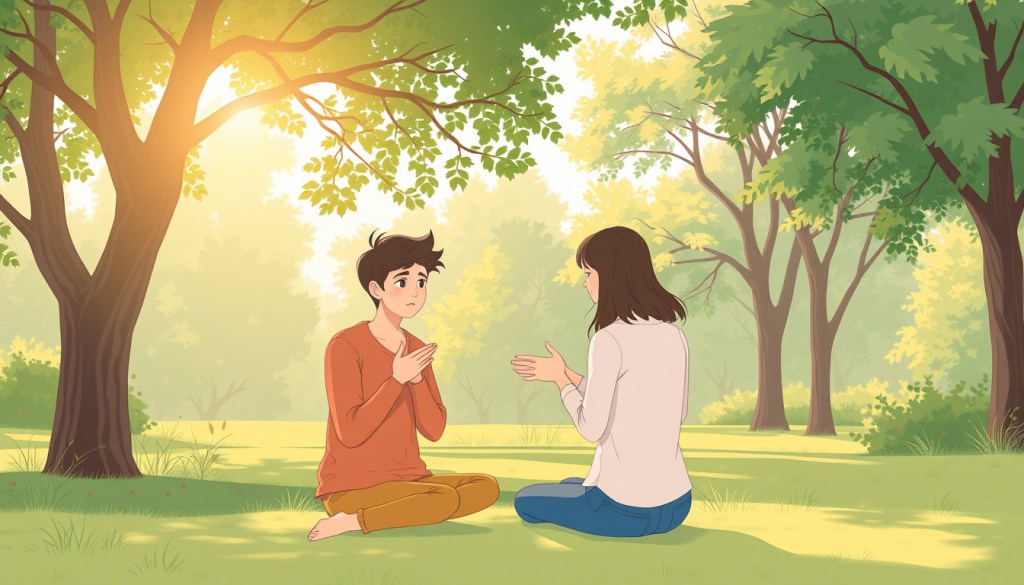
Someone may be upset with you. That can feel confusing or stressful. There are sensible first steps you can take to keep things calm.
Why This Situation Matters
When someone is upset with you, it can affect how you relate to each other. It may make day-to-day interactions harder. Letting the issue linger can lead to ongoing tension or missed chances to fix things.
What to Do Immediately
- Pause and breathe. Taking a few deep breaths may help you stay calmer before you respond.
- Give the person some space. Stepping back for a short time can reduce immediate tension.
- Listen without interrupting. Let them speak or explain if they want to. Listening may help you understand their view.
- Acknowledge their feelings. A simple remark like “I can see you’re upset” can show you are paying attention.
- Ask if they want to talk now. Offering a choice may help them feel respected and give you a chance to plan a calm reply.
Things to Avoid
- Arguing back right away. Matching anger may make things worse.
- Dismissing their feelings. Saying it’s “no big deal” can feel invalidating.
- Posting about it online. Public messages may escalate the situation.
- Giving long defenses immediately. Long explanations can come across as avoiding the feeling.
- Using the silent treatment. Withdrawing without explanation may increase hurt.
What to Do Next
Watch how things settle over the next hours or days. Reflect on what happened and your part in it. If an apology feels fitting, a brief sincere message may help. When both people are calmer, suggest a time to talk in private. Keep the focus on listening and finding a shared next step.
When to Get Professional Help
Professional help may be appropriate if the issue continues, gets worse, or involves safety concerns. For ongoing personal or relationship patterns, a counselor or therapist may be helpful. For conflicts at work or school, a manager, human resources person, or mediator may be useful. For situations with safety risks, a trained professional or official support may be needed.
Quick Summary
- Take a moment to breathe and give some space.
- Listen and acknowledge the other person’s feelings.
- Follow up calmly when both people are ready.
- Consider outside help if the problem persists or safety is a concern.
About the Author
Situation Guide Editorial Team
The Situation Guide editorial team writes clear, practical guides for common real-world situations. Content focuses on safe first steps, plain-language explanations, and helping readers recognise when professional help may be appropriate. This guide provides general information only and is not a substitute for personalised professional advice. Specific circumstances can vary.
 Situation Guide
Leave a comment