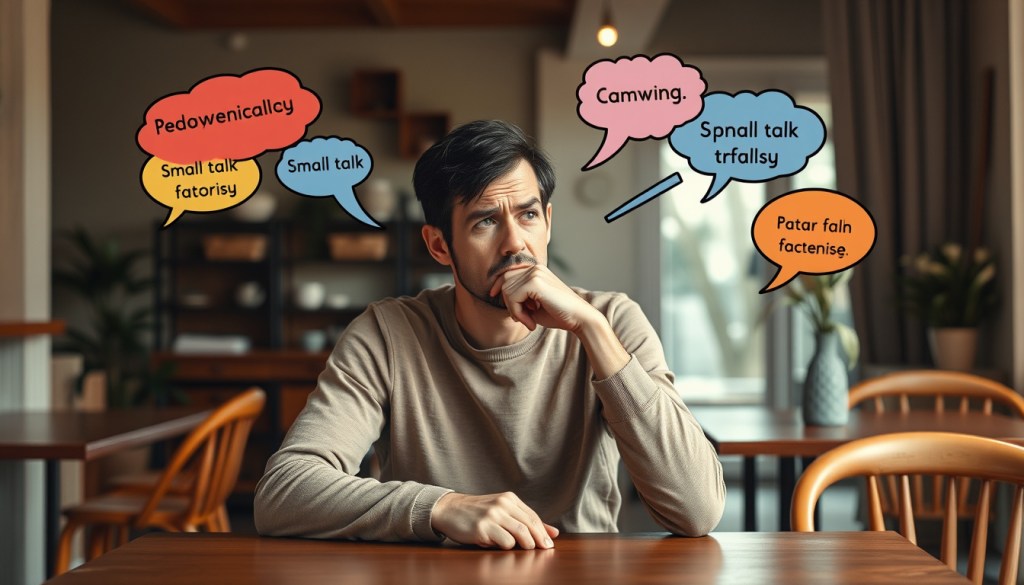
People make social mistakes from time to time. It can feel confusing, frustrating, or embarrassing. There are some sensible first steps you can take to handle the moment.
Why This Situation Matters
Even small social slip-ups may change how a conversation goes. They can cause awkwardness or hurt feelings. Taking calm steps early can limit disruption and help relationships recover.
What to Do Immediately
- Pause and breathe. Take a moment to calm yourself so you can think clearly.
- Listen and observe. Watch the other person’s expression and tone to see how they reacted.
- Acknowledge briefly. A short, sincere comment can show you noticed and care, such as “I see that came out wrong.”
- Give space if needed. Stepping back from the talk for a bit may reduce tension.
- Avoid long explanations. A short, calm line is often better than a long defense.
- Stay present. Try to stay engaged without rushing to fix everything at once.
Things to Avoid
- Over-apologizing. Repeating apologies may make things more awkward.
- Being defensive. Arguing right away can escalate the situation.
- Making jokes too soon. Trying to laugh it off may seem like you are not taking it seriously.
- Posting about it online. Public comments can complicate personal repair.
- Ignoring the other person’s feelings. Downplaying their reaction may increase hurt.
What to Do Next
Watch how the other person responds over the next hours or days. If the situation feels fixable, consider a brief, private follow-up to clarify or apologize. You may want to explain your intent without making excuses. Ask a trusted friend for a second opinion if you’re unsure how to proceed. If this happened at work, check any usual procedures for handling conflicts or complaints.
When to Get Professional Help
Professional help may be useful if the issue keeps coming up or causes ongoing stress. A licensed counselor or therapist can help with persistent social anxiety or repeating patterns. For workplace incidents that don’t resolve, employee relations or a human resources person may be appropriate to consult. A neutral mediator may be helpful when two people have ongoing conflict that they cannot resolve alone.
Quick Summary
- Stay calm and observe how people react.
- Use a short, sincere acknowledgment rather than a long defense.
- Follow up privately if needed and learn from the moment.
- Consider professional support if the problem continues or causes lasting distress.
About the Author
Situation Guide Editorial Team
The Situation Guide editorial team writes clear, practical guides for common real-world situations. Content focuses on safe first steps, plain-language explanations, and helping readers recognise when professional help may be appropriate. This guide provides general information only and is not a substitute for personalised professional advice. Specific circumstances can vary.
 Situation Guide
Leave a comment