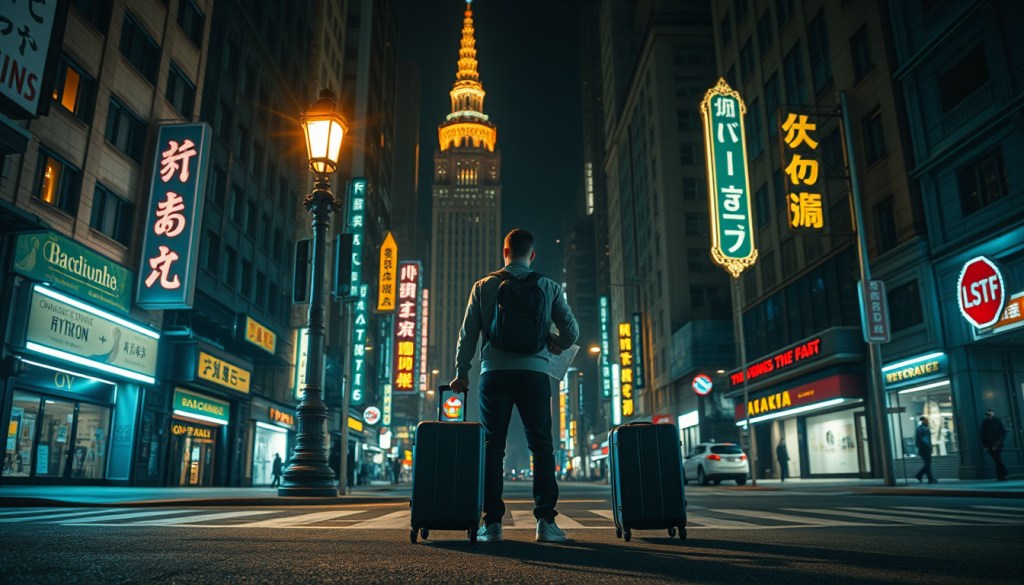
You arrive in a city late at night. It can feel inconvenient and uncertain. There are sensible options to keep you safe and moving.
Cities are busy places with different hours for services. Public transit, shops, and help desks often reduce service late at night. Weather, events, or shifts can change how people travel. Local safety and transport norms also affect what is available after dark.
What to Do Right Now
- Move to a well-lit public spot. Stay where there are other people, lights, or staffed businesses.
- Secure your belongings. Keep bags zipped and close to your body or under your sight.
- Contact your accommodation or a trusted contact. Tell them your location and arrival time. Ask for simple directions or a pick-up if available.
- Check official transport options. Use a transit app, station screens, or the operator’s website for schedules and night services.
- Use licensed taxis or reputable ride-hail services if needed. Wait at an official rank or the appointed pick-up point. Share your trip details with someone you trust.
Things to Keep in Mind
- Service hours vary. Night buses, trains, and shops may run less often or stop earlier.
- Costs can change at night. Taxis and ride-hail fares may be higher, and payment options can differ.
- Local rules differ. Some cities have curfews, restricted areas, or closed streets after certain hours.
- Allow extra time. Transfers and waits can take longer late at night.
- Trust official signage and staff. Follow directions from transport staff or police if they are present.
What to Do Next
Decide if you will wait in a safe place or move on. If your accommodation can pick you up, follow their guidance. If transport is limited, consider booking a licensed taxi or staying overnight nearby and traveling in daylight. Check official transit websites, apps, or station announcements for updates before you leave a safe spot.
Where to Get Local Help or Information
- Accommodation reception or host.
- Transport help desks at stations or airports.
- Official city or transit websites and apps.
- Tourist information centers.
- Non-emergency local police or municipal contact numbers.
Quick Summary
- Stay in a well-lit, public area and secure your belongings.
- Contact your accommodation and check official transport info.
- Use licensed taxis or reputable ride-hail services if needed.
- Be flexible and prefer safe, official help sources.
Let us know in the comments if this has helped or if you’ve got suggestions we can include
About the Author
Helen Bach is a relationship expert and writer who helps people find the right words when it matters most. She studied English and English Literature at the University of Michigan, where she developed a passion for how language shapes love, conflict, and connection.
At whattosaywhen.net, Helen writes clear, down-to-earth advice on what to say in real-life situations—from first dates and tough conversations to breakups and makeups. Her goal is simple: to make talking about feelings less awkward and a lot more honest.


Leave a Reply